
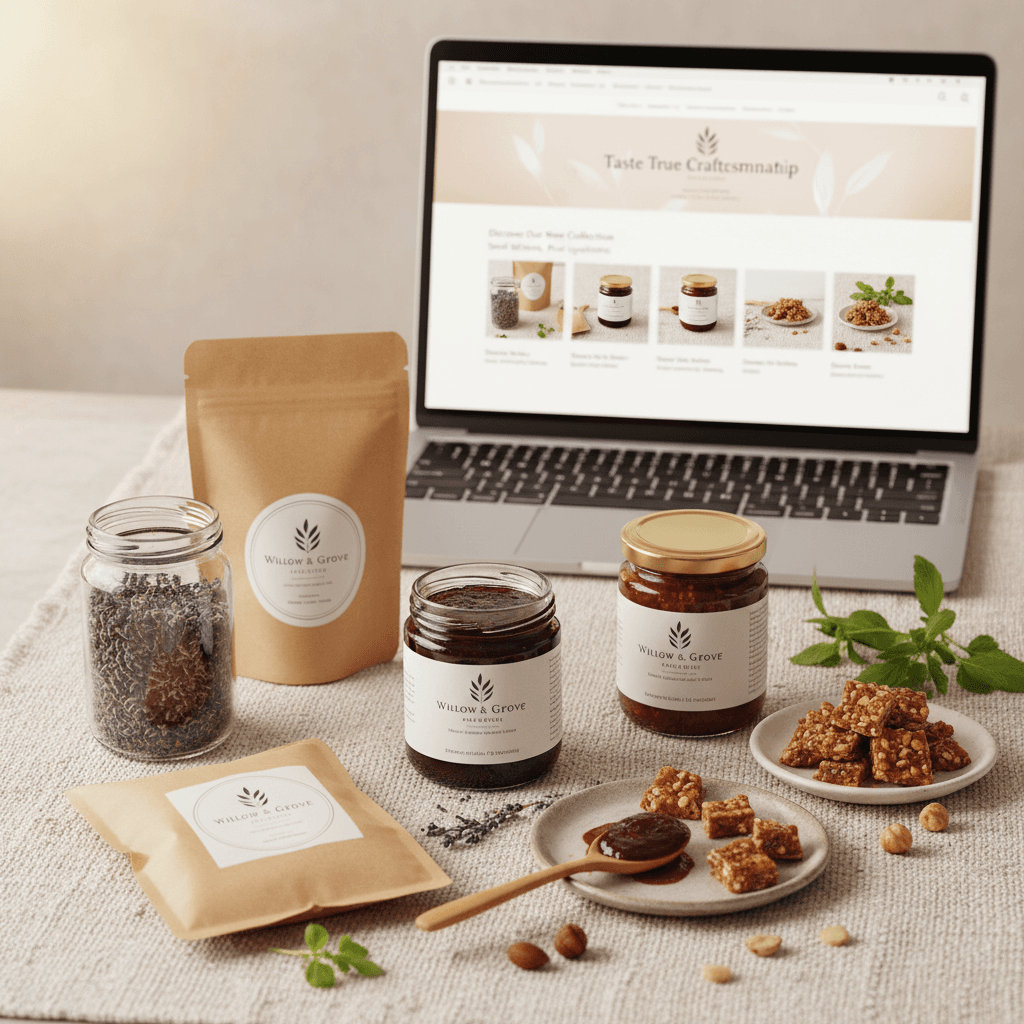
Food and beverage brands have something most ecommerce categories do not: a product people consume, enjoy, and need to repurchase. That cycle creates a natural rhythm for email marketing that clothing or electronics brands have to manufacture. Your customer will run out of your hot sauce, finish your coffee, drink the last can of your sparkling water. Email is how you stay present in the gap between orders and make sure the next purchase comes from you rather than from whoever showed up in their feed that morning.
Here are ten email campaign ideas built specifically for food and beverage brands, with guidance on what to include and why each format drives engagement and repeat purchases.
1. The Recipe Feature
A recipe email is the most natural content a food brand can send because it shows the customer what to do with the product they already bought. Not abstract lifestyle content — a real recipe they can make tonight with your product as a key ingredient.
Include the full recipe in the email itself, not just a link to your blog. The subscriber should be able to cook from the email without clicking anywhere. Include prep time, cooking time, servings, and clear step-by-step instructions. A hero image of the finished dish at the top sets the visual hook.
Recipe emails have some of the highest save and forward rates of any email format. When a subscriber saves your email or sends it to a friend, your brand gets extended visibility that no other campaign type delivers. A recipe email sent once can drive product awareness for months.
2. Seasonal Flavor Launch
Seasonal flavors create anticipation that year-round products cannot. A pumpkin spice release in September, a citrus blend in spring, or a holiday-exclusive flavor gives your subscribers a reason to pay attention to every email because they do not want to miss the drop.
The launch email should explain the flavor in specific sensory terms. "Warm cinnamon with a tart apple finish and a touch of cardamom" is compelling. "Our new fall flavor" is not. Your customer cannot taste through an email, so the words need to do the work that a sample would do in a physical store.
If the seasonal flavor is limited, say how limited. "We produced 2,000 units and will not restock when they sell out" creates real urgency that subscribers respect. Pair the launch with subscriber-exclusive early access — a tangible reward for being on your list.
3. Behind the Scenes: Production
Food and beverage production is inherently interesting. The roasting process for coffee, the fermentation timeline for kombucha, the small-batch cooking process for your hot sauce — these are stories your customers want to hear because they connect the product on their shelf to real craftsmanship.
Include real photos from your production facility or kitchen. A team member pulling a batch from the oven, raw ingredients staged before production, the bottling line in action. These images do not need to be professionally styled. In fact, slightly raw, unpolished photos feel more authentic and trustworthy than studio-quality production shots.
Behind-the-scenes emails humanize your brand in a way that product emails cannot. They remind the subscriber that real people made the thing they are consuming, which is particularly valuable in a market where mass-produced alternatives are cheaper and more accessible. If you are building your Shopify email program, production stories are a strong early campaign because they establish brand identity from the start.
4. Subscription or Sampler Box Pitch
Food and beverage is the strongest category for subscription ecommerce because consumption is predictable. Your coffee customer drinks coffee every morning. Your sparkling water customer goes through a case every two weeks. The subscription email should frame the offer around the customer's existing behavior, not around a discount.
"You order every three weeks. Subscribe and it arrives automatically — same order, same schedule, 10% less." That is a convenience pitch, not a discount pitch. The savings are a bonus, not the headline. For new customers who have not committed to a single product yet, a sampler box is a lower-risk entry point that lets them try four or five flavors before choosing their subscription.
Include a clear comparison of what subscription saves over a year. "$4.50 per bag becomes $4.05 per bag — that is $23 saved per year if you order monthly." Make the math simple and the signup process frictionless. One click to subscribe from the email.
5. The Pairing Guide
Wine has pairings. Cheese has pairings. Your product probably does too, even if you have not thought about it that way. A hot sauce paired with specific cuisines. A craft soda paired with meals. A protein bar paired with pre-workout or recovery timing. A pairing guide elevates a simple product into an experience.
Structure the email around three to five specific pairings, each with a brief explanation of why the combination works. Be specific enough that the subscriber can act on the recommendation tonight. "Our Chipotle Lime pairs with grilled fish tacos — the smokiness balances the citrus in the fish" is actionable. "Goes great with Mexican food" is not.
Pairing guides also open cross-sell opportunities. If you sell multiple flavors or products, each pairing naturally features a different item. The subscriber discovers products they might not have considered, in a context that makes the purchase feel logical.
6. Customer Reviews and UGC
Food and beverage buying decisions are heavily influenced by what other people say about the taste. A campaign that curates your best customer reviews and user-generated content gives potential buyers the social proof they need to try a new flavor or place a first order.
Select reviews that are specific about the sensory experience. "This is good" is not useful. "I put this on everything — scrambled eggs, avocado toast, even popcorn. The heat builds slowly and the garlic flavor is incredible" paints a picture that makes the reader want to taste it. Feature the customer's name and, if possible, a photo of how they use the product.
UGC roundup emails are efficient to produce and consistently perform well because they combine social proof with product discovery. SendKite can pull from your Instagram content to help build these campaigns, making the curation process faster while keeping the design on-brand.
7. Limited Batch Announcement
If you produce small batches — whether by necessity or by design — each batch is a campaign opportunity. A limited batch email communicates that the product is made in finite quantities and that waiting means missing out. Unlike manufactured urgency, this scarcity is real, and customers can tell the difference.
Include the batch number, the quantity produced, and what makes this batch unique. "Batch #47 uses Honduran single-origin beans from the Ocotepeque region — we got 200 pounds and it will not come back." The specificity of real small-batch production is inherently compelling because it tells a story that mass production cannot.
Give your email subscribers first access to limited batches. When subscribers learn that being on your list means getting access before the general public, your open rates improve across all campaigns — even the ones that are not about limited releases.
8. The Founder Story
Most food and beverage brands have a genuine origin story. The founder who could not find a hot sauce that was flavorful without being punishing. The couple who started roasting coffee in their garage. The nutrition scientist who wanted a protein bar that did not taste like cardboard. That story is the heart of your brand, and it deserves a dedicated email.
Write it in the founder's voice. Be honest about the beginning — the failed batches, the first farmers market, the moment it started working. Include a photo that feels personal, not corporate. The founder in the kitchen, not the founder in a professional headshot.
Founder story emails belong early in the customer relationship. Include it in your welcome sequence or send it after a first purchase. The customer's connection to the brand deepens when they understand the person behind it, and that connection drives the repeat purchases that make food and beverage businesses sustainable.
9. Holiday Gift Guide
Food and beverage products are among the most popular gift items because they are consumable, universally appreciated, and easy to ship. A holiday gift guide email makes it simple for your subscriber to buy your product as a gift — which introduces your brand to entirely new customers.
Structure the guide around recipient types rather than products. "For the person who puts hot sauce on everything," "For the coffee snob who has tried every roaster," "For the health-conscious friend who actually enjoys their protein shakes." Each recipient type maps to a specific product or bundle, with a direct link to purchase.
Include gift-wrapping or gift note options prominently. Mention shipping deadlines for holiday delivery. Make every decision the gift buyer needs to make as easy as possible — the fewer decisions between "this is a great gift idea" and "order placed," the higher your conversion rate. For tips on automating your Shopify email campaigns, including gift-season sequences, see our automation guide.
10. Restock Reminder
Your product runs out. You know approximately when. A well-timed restock reminder is one of the most effective emails a food brand can send because it arrives at the exact moment the customer is thinking about reordering — or is about to forget and buy something else.
Time the email based on average consumption. If your 12-ounce bag of coffee lasts most customers three weeks, send the reminder on day 18. If your 12-pack of sparkling water lasts two weeks, send it on day 11. The timing should feel helpful, not pushy — "running low?" is the right tone.
Include a one-click reorder link that adds the same product (and quantity) to their cart. Minimize friction. The restock email can also include a gentle upsell: "Reorder your Original Roast and try our new Ethiopian Single Origin for $3 off." The upsell works because the customer is already in purchasing mode.
Building a Year of Food and Beverage Emails
These ten campaign types create a natural rotation: content campaigns (recipes, pairing guides, production stories), product campaigns (seasonal flavors, limited batches, launches), social proof (reviews, UGC, founder story), and retention campaigns (restock reminders, subscriptions, gift guides). The variety keeps subscribers engaged because every email offers something different.
The food and beverage brands that build loyal email audiences are the ones that make every email worth opening — whether or not the subscriber is ready to buy that day. If you want to produce on-brand campaigns that capture your product's personality and visual identity, see how SendKite generates email campaigns from your existing brand content. Your subscribers are hungry for good content. Feed them.