
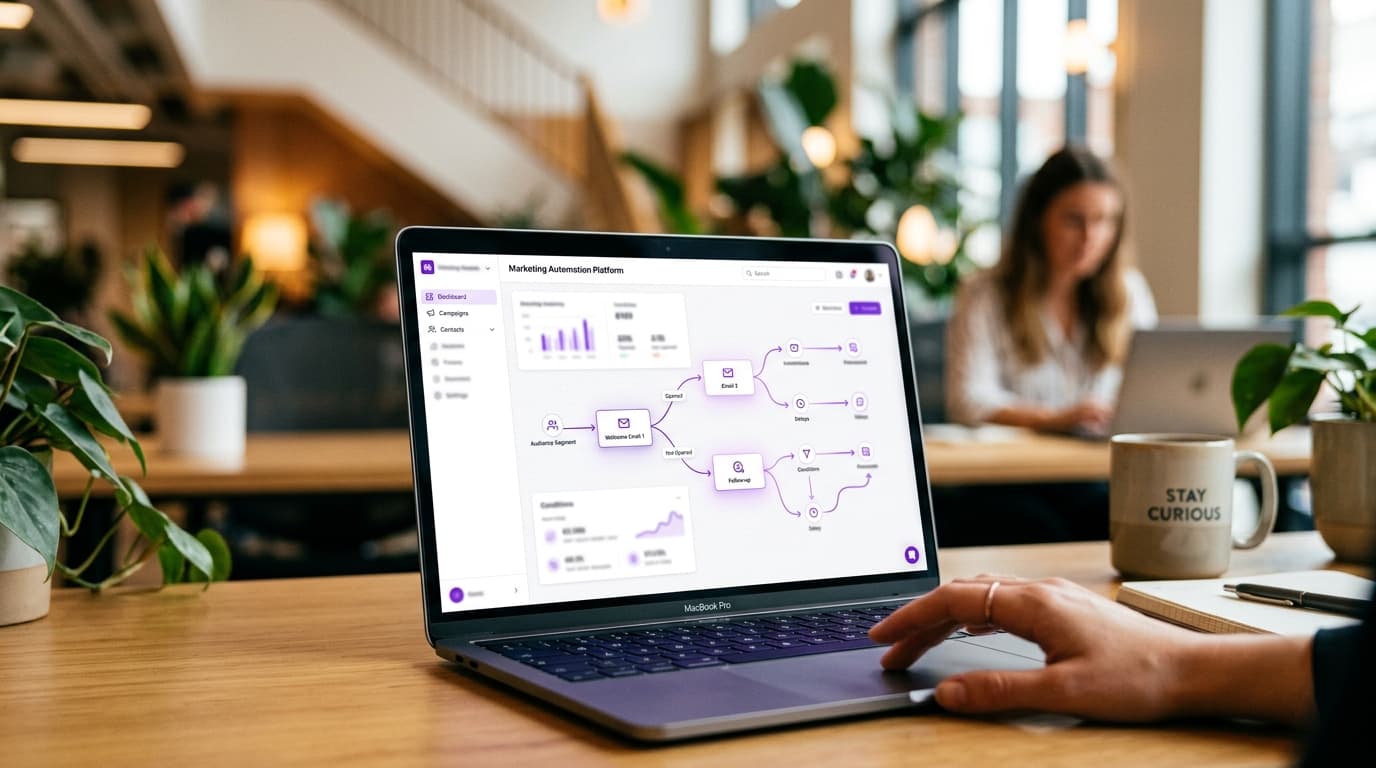
If you are sending email campaigns to your DTC audience but have not set up automated flows, you are leaving the highest-ROI channel in ecommerce running at a fraction of its potential. Campaigns — the emails you manually create and send — are important. But automated flows — triggered sequences that fire based on customer behavior — are where DTC brands generate 15 to 30 percent of their total email revenue without ongoing effort.
The math is straightforward. A well-built abandoned cart flow recovers 14 to 18 percent of lost carts automatically. A welcome series converts new subscribers at 8 to 12 percent. These flows run in the background, generating revenue 24 hours a day, while you focus on running your business.
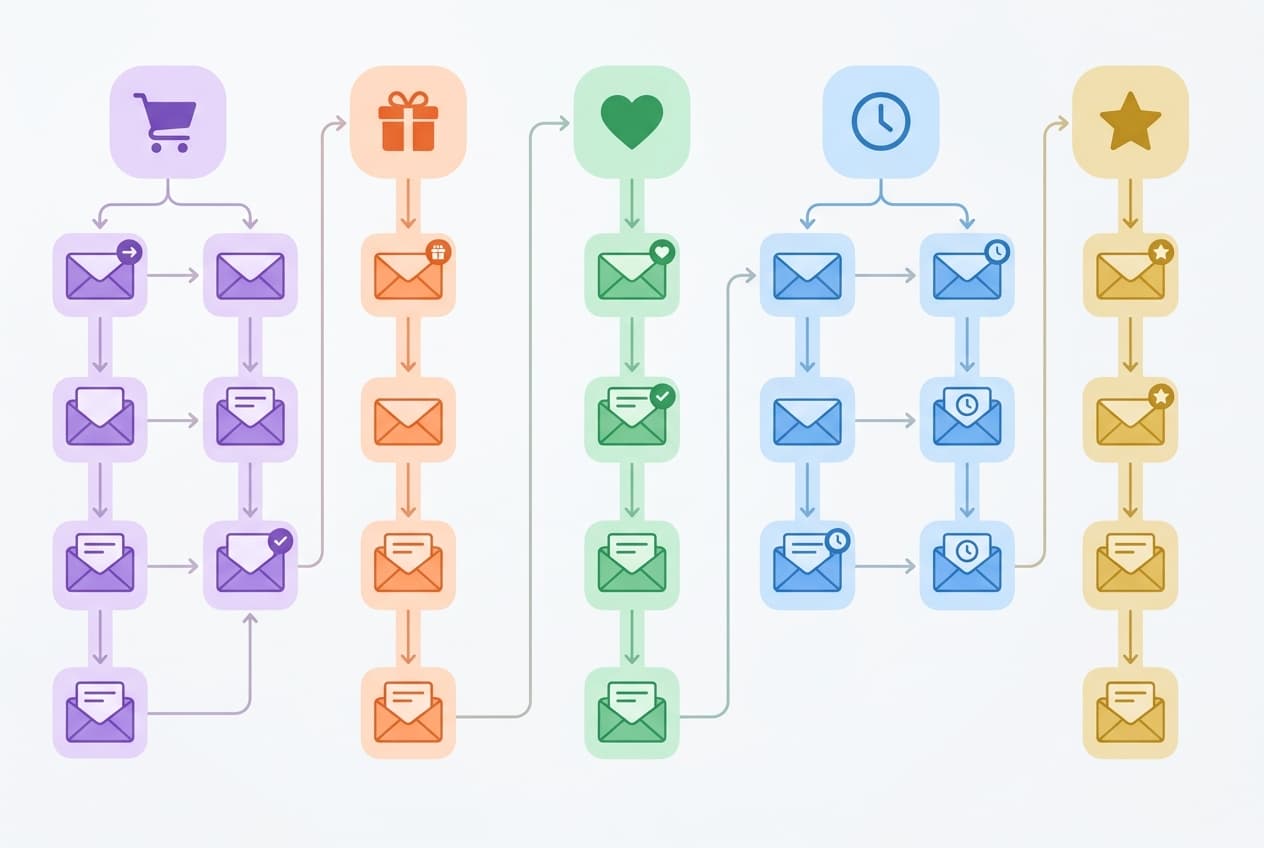
This guide breaks down the five essential email flows every DTC brand needs in 2026, with real benchmarks and practical advice for setting each one up.
Why Flows Outperform Broadcasts for DTC Revenue
The fundamental difference between a broadcast campaign and an automated flow is timing. A broadcast goes to everyone on your list at the same time, regardless of where they are in their customer journey. A flow triggers at the exact moment a subscriber takes a specific action — signing up, abandoning a cart, making a purchase, going inactive.
That timing advantage produces dramatically better engagement. Segmented, behavioral emails receive 14.3 percent higher open rates and 101 percent more clicks than non-segmented broadcast campaigns. When someone receives an email directly related to an action they just took, they pay attention.
The five flows below are listed in order of implementation priority. If you only build two, build the first two. They account for the majority of flow-driven revenue for most DTC brands.
Flow 1: Welcome Series
Average revenue per recipient: $2.65 (top 10%: $21.18)
Average open rate: 54.3%
Conversion rate: 8-12%
The welcome series is your first real conversation with a new subscriber. They have just given you their email address — their interest is at its peak. A welcome series capitalizes on that peak interest with a sequence of 3 to 5 emails delivered over 7 to 14 days.
A high-converting welcome series for DTC brands typically follows this structure:
- Email 1 (immediate): Welcome + brand story. Deliver the promised incentive (discount code, free shipping). Introduce what makes your brand different.
- Email 2 (day 2-3): Social proof. Customer reviews, UGC, Instagram highlights. Build trust.
- Email 3 (day 5-7): Product education. Best sellers, how-to guides, ingredient stories. Help them make a decision.
- Email 4 (day 10-14): Urgency. Discount reminder if unused, limited stock, or a curated recommendation based on browsing behavior.
The 54.3 percent open rate on welcome emails is the highest of any automated flow. This is the one moment when your subscriber is most receptive to hearing from you — do not waste it with a generic "Thanks for signing up" and nothing else.
Flow 2: Abandoned Cart Recovery
Average revenue per recipient: $3.65 (top 10%: $28.89)
Average open rate: 50-51%
Conversion rate: 3.33%
Cart recovery rate: 14-18%
Abandoned cart emails are the single highest-revenue automated flow for DTC brands. The reason is simple: these are people who were seconds away from buying. They found your product, added it to their cart, and got distracted, hit an unexpected shipping cost, or needed to think about it. A well-timed reminder is often all they need.
The optimal abandoned cart sequence for DTC:
- Email 1 (1 hour after abandonment): Simple reminder with cart contents. No discount yet. Subject line: straightforward reminder, not clever.
- Email 2 (24 hours): Add social proof — reviews of the specific product in their cart. Address common objections (shipping, returns, sizing).
- Email 3 (48-72 hours): Final nudge with a small incentive if your margins allow it. Create urgency (cart expires, limited stock). This is your last chance.
The first email in the sequence drives the most revenue. Timing matters — sending within one hour of abandonment catches people while the purchase intent is still fresh. Wait 24 hours and your recovery rate drops significantly.
Flow 3: Post-Purchase Nurture
Goal: Turn one-time buyers into repeat customers
Key metric: Repeat purchase rate
The post-purchase flow is where most DTC brands drop the ball. After someone buys, they receive a transactional confirmation email and then... silence until the next promotional blast. That gap is a missed opportunity to build loyalty and drive the second purchase — which is statistically the most important purchase in the customer lifecycle.
A strong post-purchase flow includes:
- Shipping confirmation + tracking — immediate, transactional
- Product education (3-5 days after delivery): How to use the product, care instructions, tips for getting the best results. This reduces returns and increases satisfaction.
- Review request (7-14 days after delivery): Ask for a review while the product experience is fresh. Include a direct link to leave a review with minimal friction.
- Cross-sell recommendation (14-21 days): Based on what they bought, recommend complementary products. Personalized recommendations convert at 3-5 times the rate of generic product grids.
- Replenishment reminder (timing varies): For consumable products (skincare, supplements, food), time this email to arrive when the product is likely running low.
Flow 4: Win-Back and Re-Engagement
Goal: Recover inactive subscribers before they churn
Trigger: No opens or clicks in 60-90 days
Subscriber lists naturally decay. People change email addresses, lose interest, or simply stop opening your emails. A win-back flow targets these lapsed subscribers with a sequence designed to re-engage them — or gracefully remove them from your active list.
Keeping disengaged subscribers on your list hurts deliverability. Inbox providers track engagement at the sender level, so a large percentage of unopened emails drags down your reputation for everyone. Win-back flows solve two problems at once: they recover some lapsed subscribers and clean your list of those who are truly gone.
- Email 1: "We miss you" — acknowledge the absence, offer something genuinely compelling (exclusive discount, early access, free shipping).
- Email 2 (5-7 days later): Show what they have been missing — new products, brand updates, popular items. Social proof works well here.
- Email 3 (10-14 days later): Final email — clearly communicate that you will remove them from the list unless they re-engage. This creates urgency and gives them an explicit choice.
Subscribers who do not engage with the win-back sequence should be suppressed from future sends. A smaller, engaged list always outperforms a larger, unengaged one.
Flow 5: VIP and Loyalty
Goal: Maximize lifetime value of top customers
Trigger: Purchase count or total spend threshold
Your top 10 percent of customers typically generate 40 to 60 percent of your revenue. A VIP flow ensures these high-value customers feel recognized and receive treatment that matches their importance to your business.
- VIP welcome: When a customer hits the threshold (e.g., 3rd purchase or $200 total spend), acknowledge it. Make them feel like they have earned something.
- Early access: New product launches, limited editions, and sales go to VIPs first. Exclusivity drives both engagement and revenue.
- Birthday/anniversary rewards: Personalized emails on meaningful dates with a genuine gift — not a "20% off" coupon that every subscriber gets.
- Referral program: VIP customers are your most likely advocates. Invite them to refer friends with a meaningful incentive for both parties.
Revenue Impact: How Flows Stack Up
Not all flows are created equal in terms of revenue per recipient. Here is how the five essential flows compare based on 2026 industry benchmarks:
| Flow | Avg RPR | Top 10% RPR | Open Rate |
|---|---|---|---|
| Abandoned Cart | $3.65 | $28.89 | 50-51% |
| Welcome Series | $2.65 | $21.18 | 54.3% |
| Post-Purchase | $1.80 | $12.50 | 40-45% |
| Win-Back | $0.85 | $5.20 | 25-30% |
| VIP/Loyalty | $1.20 | $8.40 | 35-40% |
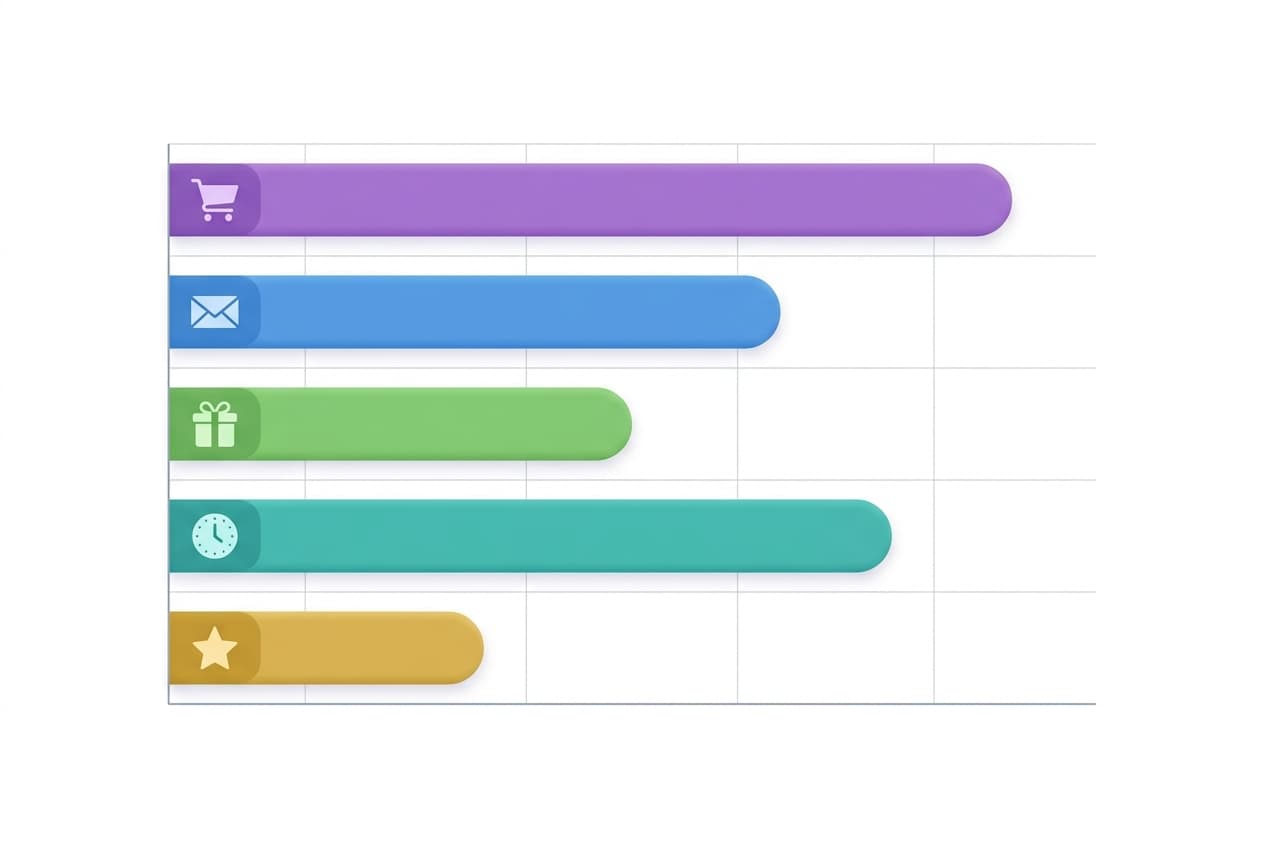
The takeaway: abandoned cart and welcome series together generate more revenue per recipient than the other three flows combined. If you are starting from scratch, build these two first and add the others as your program matures.
How to Build These Flows Without a Team
The biggest objection DTC founders have to email automation is complexity. Building five multi-step flows with conditional logic, personalization, and proper timing sounds like a project that requires a dedicated email marketer.
It does not need to be. AI-powered platforms like SendKite can generate campaign content that matches your brand voice and visual identity automatically, reducing the time to build each flow from hours to minutes. The design, copy, and product recommendations are all handled by AI that understands your brand — you just review, approve, and activate.
Start with the abandoned cart flow (highest immediate ROI), add the welcome series next, and build out the remaining three flows over the following month. Five well-built flows running in the background will generate more revenue than any number of one-off broadcast campaigns.
Further Reading
- Ecommerce Email Marketing Strategy: A Complete Guide
- How to Design Email Campaigns for DTC Brands That Actually Convert
- How to Automate Email Marketing for Shopify
Ready to set up automated flows that run while you sleep? Start your free trial or see a live demo.